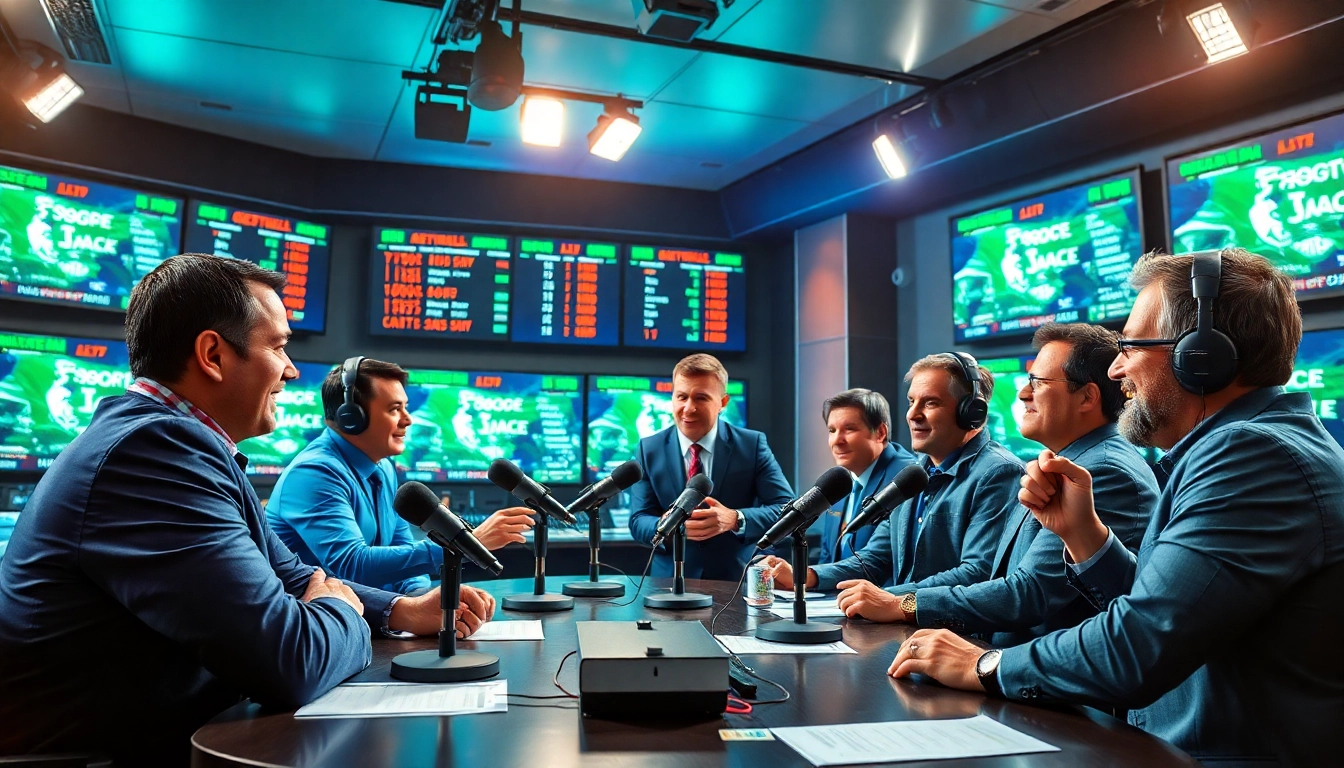
Introduction to Sports Broadcasting
In the fast-paced world of professional sports, broadcasting plays a pivotal role in shaping how fans experience their favorite events. As Sports Broadcasting continues to evolve, it combines cutting-edge technology with storytelling and audience engagement to provide enriched experiences. This article serves as a comprehensive guide to the multifaceted landscape of sports broadcasting, from the essential equipment and strategies to the emerging trends that are redefining the industry.
Understanding the Landscape of Sports Broadcasting
Sports broadcasting encompasses a range of media that includes television, radio, online streaming, and social media platforms. Each channel presents unique opportunities and challenges. In recent years, the rise of streaming services has transformed how audiences consume sports content, prompting traditional broadcasters to adapt and innovate. The competition between digital platforms and conventional methods forces broadcasters to enhance viewer engagement and provide varied content formats.
Key Roles in Sports Broadcasting
Sports broadcasting involves numerous professionals who each play essential roles. Key positions include:
- Producers: They oversee the production process, ensuring the seamless flow of the broadcast.
- Commentators: Offering live analysis and insights during the event, they connect with viewers and enhance their understanding of the game.
- Cameramen: Responsible for capturing live footage, their work is crucial for providing viewers with engaging visuals.
- Technicians: These individuals manage the technology and equipment, ensuring optimal performance throughout the event.
The Importance of Audience Engagement
Effective audience engagement is vital in sports broadcasting. Broadcasters must prioritize building relationships with viewers through interactive platforms, social media, and creative content. Engaging the audience not only enhances viewer loyalty but also attracts new fans to the sport. Additionally, utilizing surveys, polls, and live interactions during events can significantly improve viewer experience and satisfaction.
Essentials of Sports Broadcasting Equipment
Choosing the Right Technology
The backbone of any successful sports broadcasting operation is its technology. Selecting the appropriate equipment is essential for delivering high-quality content. Key components include:
- Cameras: High-definition cameras with fast refresh rates are crucial for capturing the fast-paced nature of sports.
- Microphones: Quality audio equipment ensures that commentary and crowd sounds enhance the viewing experience.
- Transmission Gear: This includes everything from satellites to encoding devices, which guarantee that the signal reaches viewers without interruption.
Setting Up for Success: Technical Considerations
Setting up broadcasting equipment requires careful planning and consideration. Factors such as the location of the event, lighting conditions, and sound environments can influence the setup. Broadcasters need to conduct thorough site surveys before an event, checking access to power sources, mobile reception quality, and internet bandwidth to ensure seamless coverage. A well-planned setup minimizes technical issues during live broadcasts, allowing teams to focus on delivering compelling content.
Maintaining Equipment for Optimal Performance
Regular maintenance and updates to broadcasting equipment are essential for optimal performance. Equipment should be tested regularly to identify issues before they lead to broadcast failure. This includes inspecting cameras, testing microphones, and ensuring that transmission devices are functioning correctly. Establishing a maintenance schedule can help ensure that all equipment is in top shape, promoting reliability during high-stakes broadcasts.
Content Creation and Strategy for Sports Broadcasting
Crafting Compelling Storylines
The best sports broadcasts include captivating storylines that enhance viewer engagement. Producers should work to highlight key narratives, such as athlete milestones, team rivalries, and ongoing story arcs throughout a season. Content that connects emotionally with viewers tends to resonate better and keeps audiences returning for more. Feature segments on players, behind-the-scenes access, and human-interest stories can help illustrate these narratives effectively.
Incorporating Analytics in Coverage
Data analytics is increasingly important in sports broadcasting. By analyzing viewer preferences and behaviors, broadcasters can tailor content to meet the needs of their audience. Furthermore, on-screen statistics and data insights can enrich commentary during live events, providing viewers with in-depth analysis that informs their experience. Understanding trends and viewership patterns allows producers to refine their approach and enhance overall engagement.
Utilizing Social Media to Enhance Reach
Social media platforms offer an unparalleled opportunity for broadcasters to connect with audiences. By sharing snippets of live events, highlights, and behind-the-scenes content, broadcasters can engage fans in real time. Creating hashtags and encouraging fan interactions helps increase visibility and reach. Leveraging social media also fosters community, allowing fans to participate in conversations that further enhance their connection to the sport.
Challenges in Sports Broadcasting
Navigating Real-time Issues During Live Events
Live broadcasts come with a unique set of challenges, including technical difficulties, unexpected interruptions, and real-time errors. Broadcasters must be prepared for contingencies and have backup systems in place. Quick thinking and a robust crisis management plan can help teams address unforeseen issues swiftly, ensuring that viewers remain engaged and informed despite any hiccups.
Managing Viewer Expectations
With the increasing availability of content, viewers now have heightened expectations in terms of quality and delivery. Broadcasters must be aware of audience desires and preferences, which may include in-depth analysis, multiple viewing angles, and interactive elements. Regular feedback from viewers can help networks align their content offerings with audience expectations and adapt to improve satisfaction levels.
Compliance with Broadcasting Regulations
Compliance with local and international broadcasting regulations is critical in the sports industry. Broadcasters must keep abreast of changing laws, including copyright restrictions and advertising guidelines. Non-compliance can result in penalties or a dip in viewer trust. Establishing a strong legal framework and maintaining close communication with regulatory bodies helps ensure adherence to the legalities of broadcasting.
Future Trends in Sports Broadcasting
Embracing Technology Innovations
As technology continues to advance, sports broadcasters must be open to incorporating new tools and platforms into their coverage. Innovations such as augmented reality (AR) and virtual reality (VR) offer exciting opportunities to enrich viewer experiences. These technologies can provide immersive experiences that engage audiences in entirely new ways, enhancing their connection to live events.
Expanding Audience Access through Streaming
Streaming services are reshaping how fans access sports content. By offering subscription-based services that cater to diverse viewer preferences, networks can reach wider audiences. The ability to watch live events on mobile devices and platforms increases accessibility for fans who may not have traditional cable subscriptions. Adapting to these trends is essential for broadcasters looking to stay relevant in an evolving media landscape.
Preparing for a Changing Media Landscape
As the media landscape continues to evolve, sports broadcasters must remain adaptable. Keeping an eye on industry trends, technological advancements, and changing viewer habits will help broadcasters anticipate future demands. Embracing a forward-thinking approach can lead to innovative broadcasting strategies that engage audiences and secure competitive advantages.
Frequently Asked Questions (FAQs)
What is sports broadcasting?
Sports broadcasting involves transmitting live or recorded sports events through various media channels, including television, radio, and online platforms, to engage audiences.
What equipment is needed for sports broadcasting?
Essential equipment includes high-definition cameras, sound recording devices, transmission gear, and software for editing and graphics to enhance broadcasts.
How can social media enhance sports broadcasting?
Social media platforms allow broadcasters to interact with fans, share live highlights, and increase reach through community engagement and real-time content posting.
What are the key challenges in sports broadcasting?
Challenges include managing technical issues during live events, meeting viewer expectations, and ensuring compliance with broadcasting regulations.
What are the future trends in sports broadcasting?
Emerging trends include increased streaming services, the use of augmented and virtual reality, and the application of data analytics for personalized viewer experiences.